Refractory Metals · TB-TI-GR
High-Purity & Grade 1/2 Titanium Foils, Plates & Mesh
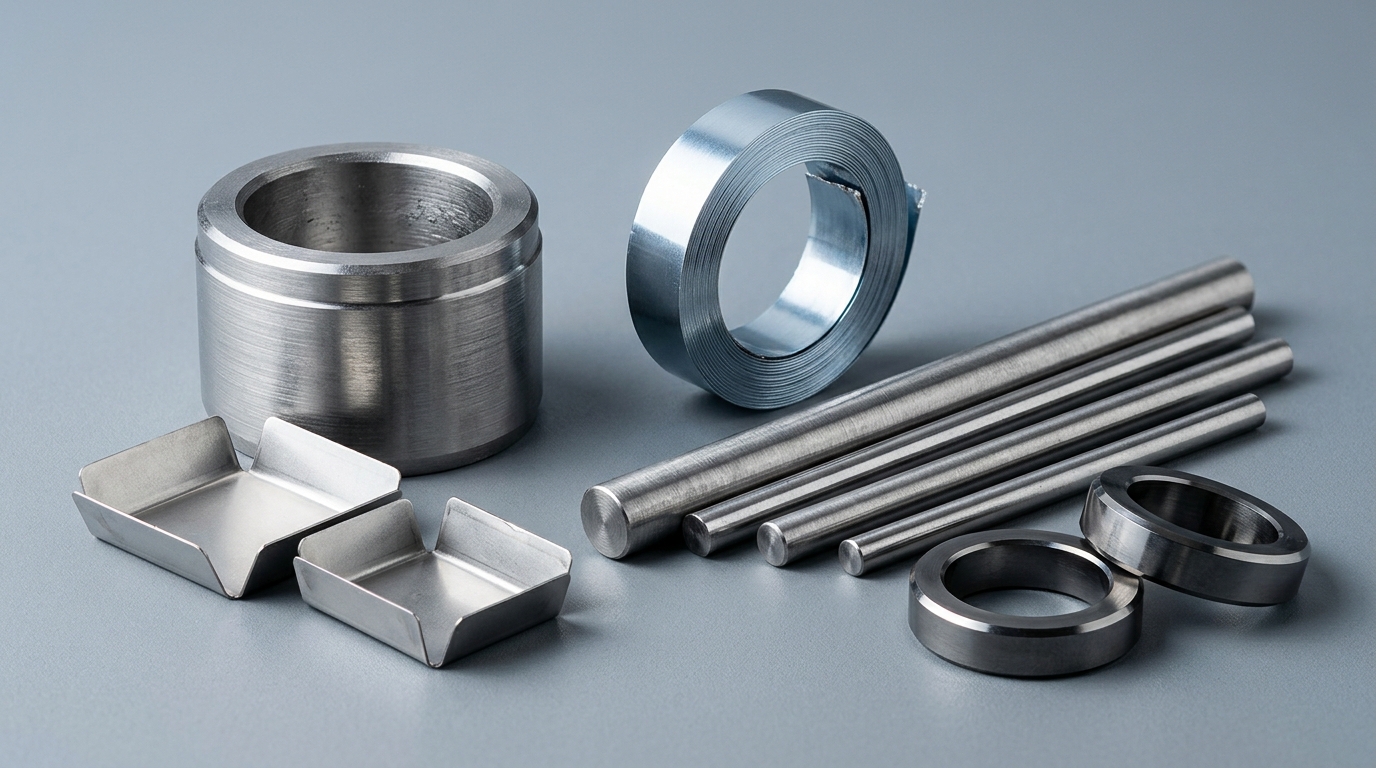
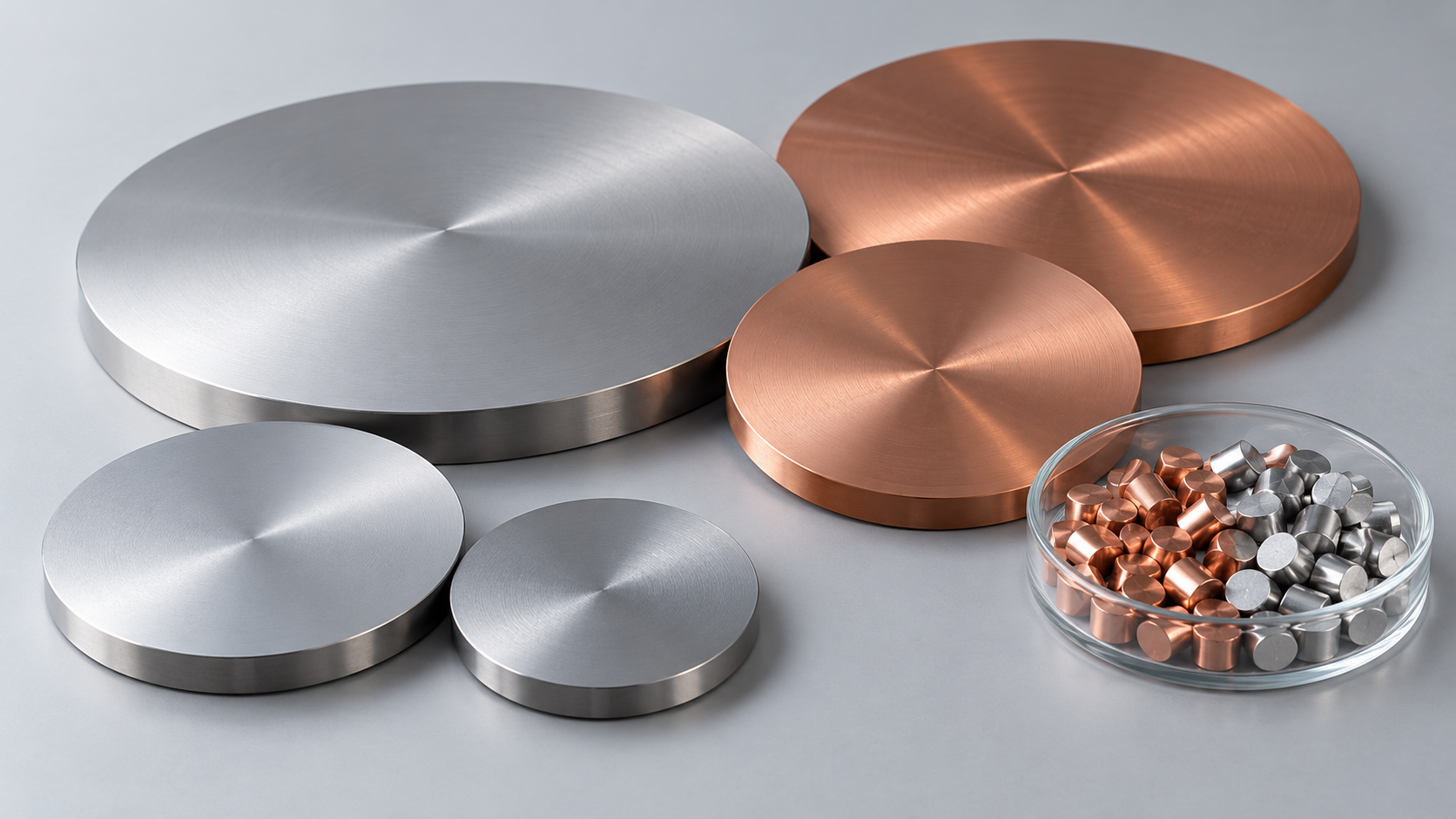
Commercially pure (Grade 1/2), Ti-6Al-4V (Grade 5), and 99.99% high-purity titanium foils, plates, rods, woven/expanded mesh, and MMO-coated electrochemical anodes.
Alternate & search designations: ASTM B265 CP Grade 1 titanium foil, woven/expanded titanium anode mesh, IrO2/Ta2O5 MMO coated titanium electrode, 4N high-purity Ti research sheet
Purity / Grade OptionsGrade 1 / Grade 2 CP Ti, Grade 5 (Ti-6Al-4V), & 99.99% (4N) High-Purity Ti
Standard DimensionsMicron foils 0.01–0.5 mm, Plates 1–50 mm, Woven/Expanded Mesh, Rods, Fasteners
Available ConfigurationsASTM B265 Gr1/Gr2/Gr5, 4N Research Foil, MMO (IrO2-Ta2O5 / RuO2 / Pt) Coated Anodes
Ordering & MOQSpecification-based quote · Prototype & production lots
Material & Engineering Overview
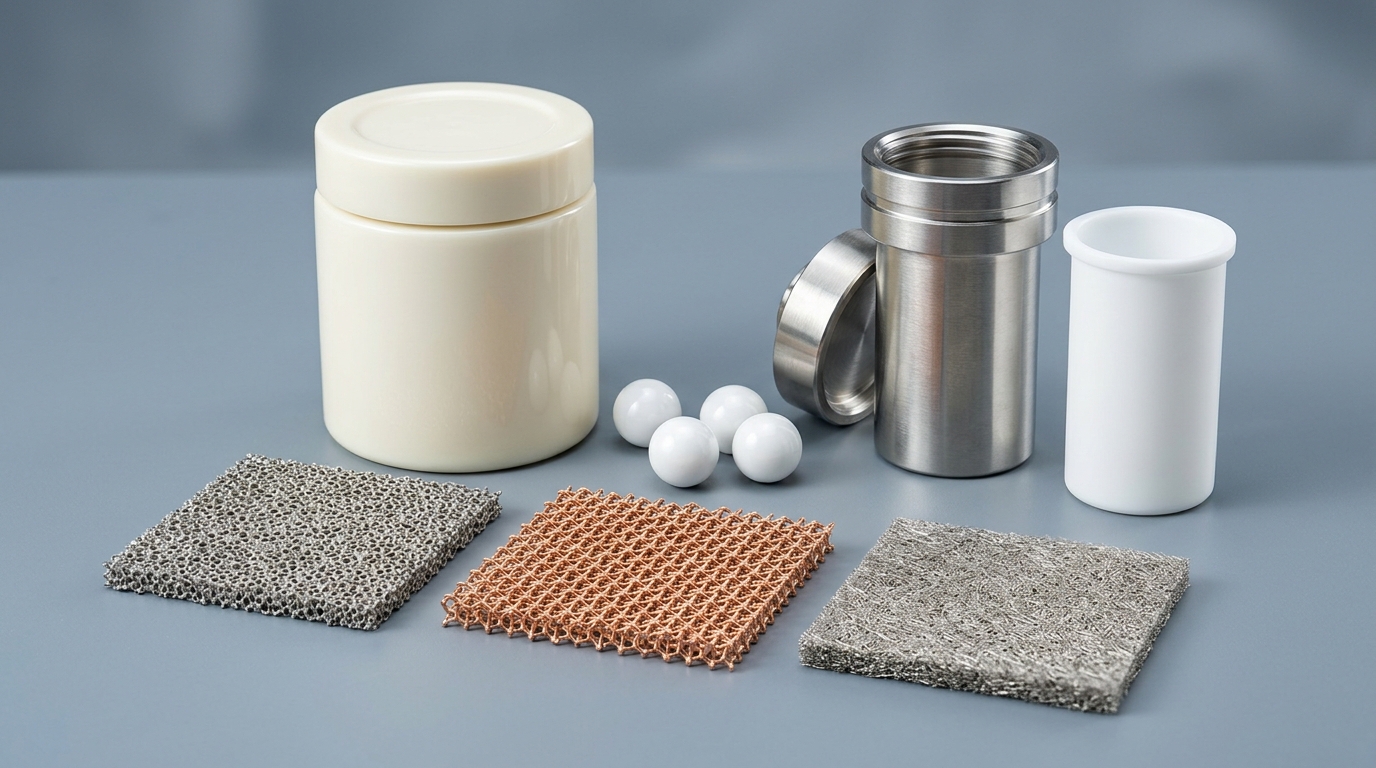
Produced in one of the world's deepest sponge-to-mill titanium supply chains, our titanium forms span precision 10 µm–500 µm cold-rolled foils for X-ray windows, TiO2 nanotube anodization, and battery tabs through heavy ASTM B265 plates, woven wire cloth (20–200 mesh), diamond expanded mesh, and CNC-turned non-magnetic fasteners.
For chlor-alkali, electrowinning, water treatment, and cathodic protection R&D, Grade 1 titanium mesh and plates can also be supplied pre-coated with Mixed Metal Oxide (IrO2-Ta2O5 or RuO2-IrO2) or platinum electrocatalyst layers.
Standard Shipment Documentation: Manufacturer Mill Test Certificate / COA (ASTM B265 / B348 chemical & tensile report; 4N ICP trace metal COA for high-purity foil).
Primary Research & Industrial Applications
- Electrochemical anode substrates, TiO2 nanotube synthesis (4N foil), and MMO/Pt insoluble anodes
- X-ray / electron-beam exit windows and lightweight high-vacuum non-magnetic hardware
- Seawater, chloride, wet-chlorine, and plating-bath corrosion-proof racks & heat transfer
- Battery current collectors and PEM water-electrolyzer bipolar flow plates
Nominal Material Reference Properties
| Property / Metric | Nominal Reference Value (Grade Dependent) |
|---|
| Available Grades | CP Grade 1 (most ductile, ≥99.5%), CP Grade 2, Grade 5 (Ti-6Al-4V), & 99.99% (4N) |
| Density & Melting Point | 4.51 g/cm³; 1,668 °C |
| Tensile Strength | ≥240 MPa (Gr1), ≥345 MPa (Gr2), ≥895 MPa (Gr5) |
| Foil & Mesh Range | Foils from 0.010 mm (10 µm); Woven 10–250 mesh; Expanded diamond mesh |
| Magnetic Permeability | Paramagnetic (~1.00005, non-magnetic) |
Reference values reflect typical sintered, fused, or wrought grades. Exact batch test figures are confirmed on your written quotation and accompanying lot Certificate of Analysis.
What to Specify in Your Quote Request
Specify grade (Grade 1 for deep forming/anodes, Grade 2 structural, Grade 5 high strength, or 4N 99.99% for research anodization), form (foil, plate, rod, woven mesh count × wire dia, or expanded mesh LWD×SWD×strand), dimensions, and any MMO/Pt catalyst coating.
Include target quantity, destination country/postal code for express air freight calculation, and any special cleanroom bagging or certification requests.
Prepare High-Purity & Grade 1/2 Titanium Foils, Plates & Mesh RFQ ↗
Technical & Procurement FAQ
Should I order Grade 1 CP Titanium or 99.99% (4N) Titanium foil for TiO2 nanotube anodization?
While CP Grade 1 (99.5%+ Ti) works for industrial trials, researchers growing ordered TiO2 nanotube arrays for photocatalysis or sensors strongly prefer annealed 99.99% (4N) foil (0.10–0.25 mm) to avoid Fe/O impurity pits.
Why does bare titanium passivate and stop conducting if used directly as an oxygen-evolving anode?
Under anodic polarization in aqueous electrolytes, bare Ti forms a resistive TiO2 barrier layer within minutes; specify IrO2-Ta2O5 (oxygen evolution) or RuO2-IrO2 (chlorine evolution) MMO or Pt-coated Grade 1 titanium for active anodes.
Are non-magnetic Grade 2 and Grade 5 titanium screws, nuts, and washers available?
Yes—metric and unified titanium socket cap screws, hex bolts, nuts, and washers can be bundled with sheet/mesh orders.
 TB-EC-TIF